

How to Winterize A Manufactured Home


Do you live in a place with cold winters?
Preparing for colder weather is an important part of maintaining your home, especially as temperatures begin to drop. Knowing how to winterize a manufactured home can help protect important systems, improve your comfort, and lessen the risk of weather-related issues popping up during the winter months.
While specific recommendations can vary based on your location and the design of your home, a preventative approach to winterizing a manufactured home can make a noticeable difference.
Below are some practical steps to help you prepare your home for colder conditions.
Check the Areas Most Exposed to Cold
One of the goals of winterizing a manufactured home is reducing exposure to cold air and wind. Areas beneath the home and around exterior openings are important places to look at.
- Inspect the skirting: Skirting is the material that surrounds the base of a manufactured home and encloses the open area underneath it. Check to ensure it is fully in place and securely fastened to keep cold air from circulating under the home.
- Check for visible gaps: Look for openings around plumbing lines, vents, and utility connections where they enter the home. Sealing these gaps can help reduce drafts and limit cold air from entering.
Addressing these areas early helps create a more stable interior temperature and prevent heat loss as outdoor conditions change.
Protect Plumbing & Water Lines
Freezing pipes are a big cold-weather concern. Protecting your plumbing systems is an important part of winterizing a manufactured home.
- Insulate exposed pipes: Ensure any exposed water lines are properly insulated. Pay special attention to pipes and risers beneath the home or along exterior walls, as these are more vulnerable to freezing temperatures.
- Confirm heat tape is working correctly: Special systems, such as heat tape and heat wands, are designed to help keep pipes from freezing. If your home has one of these, make sure it is securely attached, plugged in, and operating as intended.
- Use cabinets strategically: During extended cold periods, opening cabinets under sinks can allow warmer indoor air to circulate around pipes, offering an extra layer of protection.
These small actions can help reduce stress on plumbing systems throughout the winter.
Communities and homes designed for comfort, connection, and ease.
Search CommunitiesSeal & Insulate to Improve Comfort
Keeping warm air inside the home makes winter living more comfortable and energy-efficient.
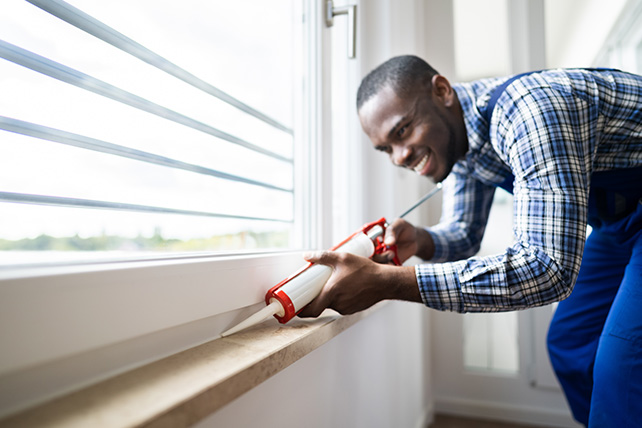
- Seal gaps and cracks: Look around windows, doors, outlets, and areas where walls meet the floor or ceiling. Seal any small openings with caulk or weather stripping to help keep cold air out and warm air in.
- Insulate windows when needed: During colder months, window insulation film can be applied to interior windows to reduce drafts. This easy, low-cost option can make a big difference.
- Check ceiling and roof areas: Inspect visible seams or access points for gaps that could allow heat to escape from inside your home. Addressing these areas helps maintain a more consistent indoor temperature.
Improving insulation not only supports winter comfort but can also help regulate indoor temperatures year-round.
Prepare Outdoor Fixtures & Exterior Areas
Outdoor components are especially vulnerable to freezing temperatures.
- Drain and protect hose spigots: Disconnect hoses, drain any remaining water from outdoor faucets, and cover spigots with an insulated cover to help prevent freezing.
- Clear gutters: Remove leaves, debris, and buildup so water can flow freely. This helps prevent ice accumulation, which can lead to drainage issues or damage.
- Monitor roof vents: Periodically check furnace exhaust vents and roof openings to make sure they stay clear of snow or ice and are allowing proper airflow.
These preventative steps help reduce the risk of damage caused by ice and snow.
Inspect Heating Systems Before Cold Weather Arrives
A reliable heating system is critical during winter. Before temperatures drop significantly:
- Replace or clean furnace filters: Clean filters help heating systems run more efficiently and support better airflow throughout the home.
- Check vents and exhaust pipes: Make sure vents are unobstructed and free of debris so the system can operate safely and effectively.
- Schedule maintenance if needed: If you notice unusual sounds, reduced airflow, or inconsistent heating, a professional inspection can help identify any issues before winter weather intensifies.
Taking time to inspect heating components early can help avoid unexpected issues later in the season.
A Proactive Approach to Winterizing
Understanding how to winterize a manufactured home is about preparation, not perfection. Every home is different, and recommendations may vary depending on climate and construction. When in doubt, consulting your home manufacturer or a licensed professional can provide guidance specific to your situation.
By taking proactive steps and addressing key areas ahead of time, winterizing your manufactured home can help support your comfort, safety, and peace of mind throughout the colder months.
Related Articles

Big Style for Small Spaces: Small Space Living Ideas

Benefits of Renting a Manufactured Home
Fall in Love with Manufactured Home Living

Affordable Manufactured Home Living, Redefined
Rent or Buy a Manufactured Home? Find Your Fit
